From Classic Table Games to Modern Digital Slots: The Technological Evolution of the Casino

From Classic Table Games to Modern Digital Slots: The Technological Evolution of the Casino
From the green felt tables of traditional card and dice games to today’s immersive digital worlds, the casino industry has undergone a remarkable technological transformation. What once required a physical presence now unfolds through screens, algorithms, and interactive design. This evolution tells not only the story of gaming but also of how technology has reshaped entertainment itself.
From Brick-and-Mortar Casinos to Online Platforms
For decades, casinos were physical destinations – glamorous venues filled with chatter, clinking chips, and the spin of the roulette wheel. The experience was as much about the atmosphere as the games themselves. But the arrival of the internet in the 1990s changed everything. The first online casinos appeared, allowing players to enjoy blackjack, poker, or slots from the comfort of their own homes.
Early online gaming was basic, with limited graphics and functionality. Yet as broadband connections improved and computers became more powerful, online casinos evolved rapidly. Developers introduced realistic animations, sound effects, and themed designs that could rival the excitement of a night out in a real casino.
Slots – From Mechanical Reels to Digital Adventures
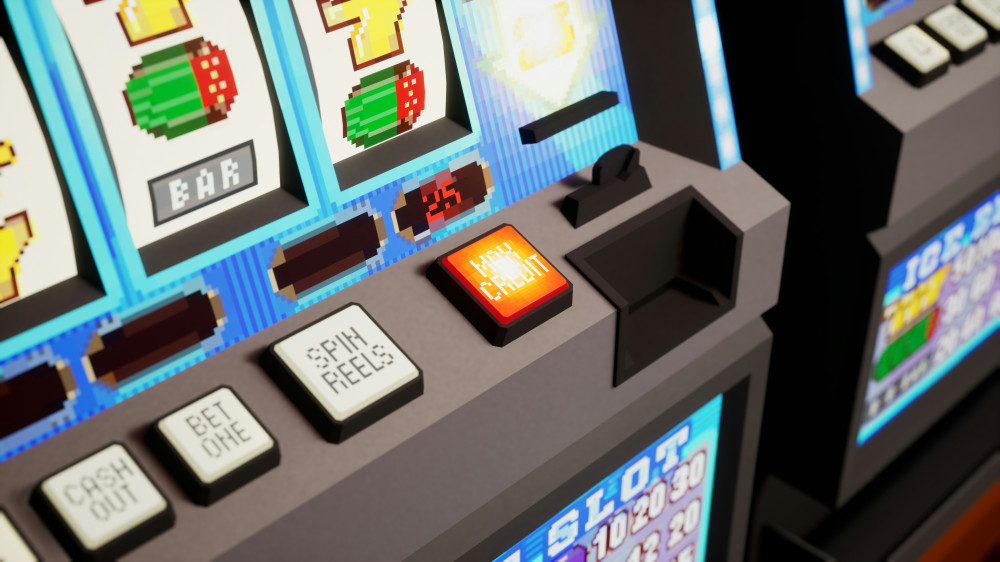
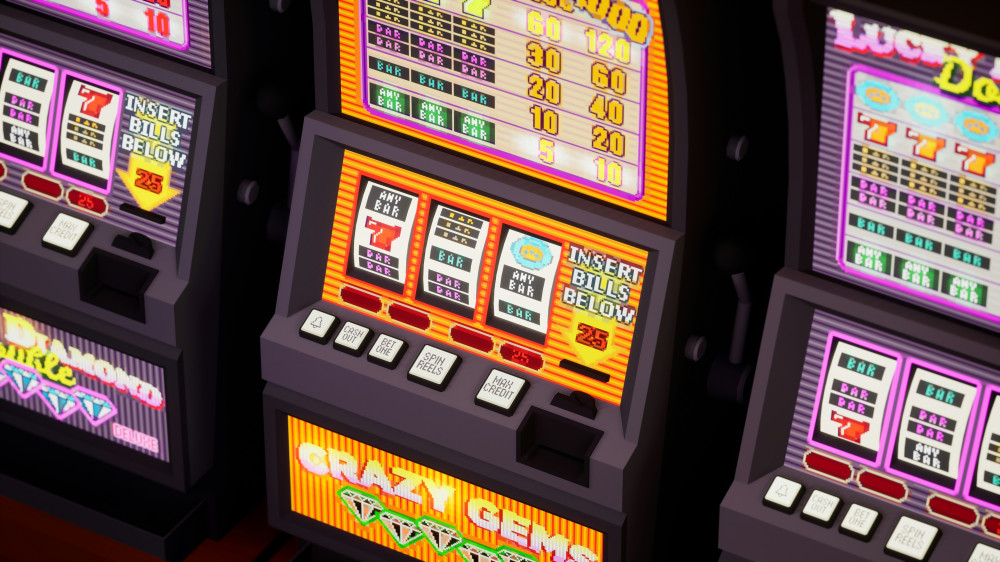
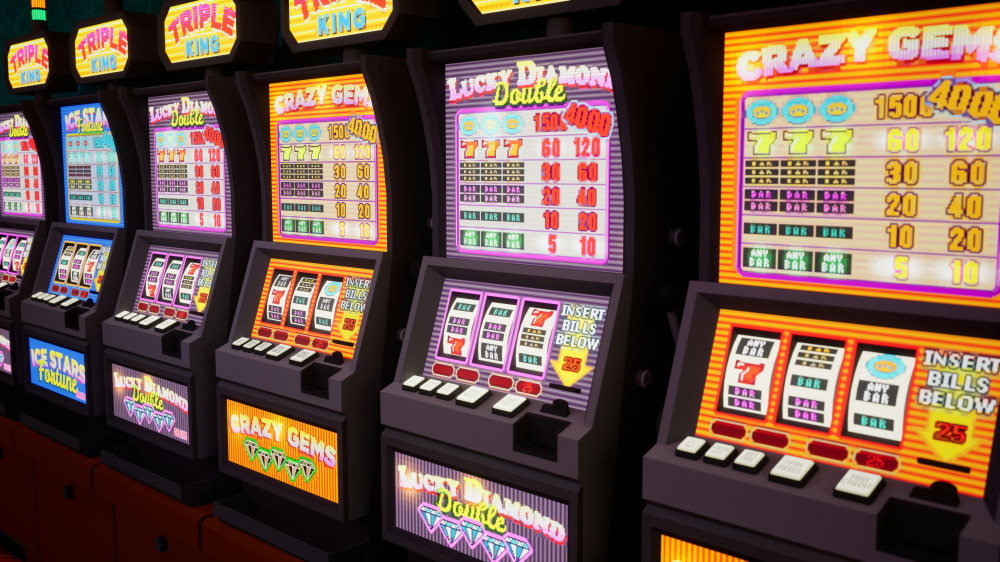
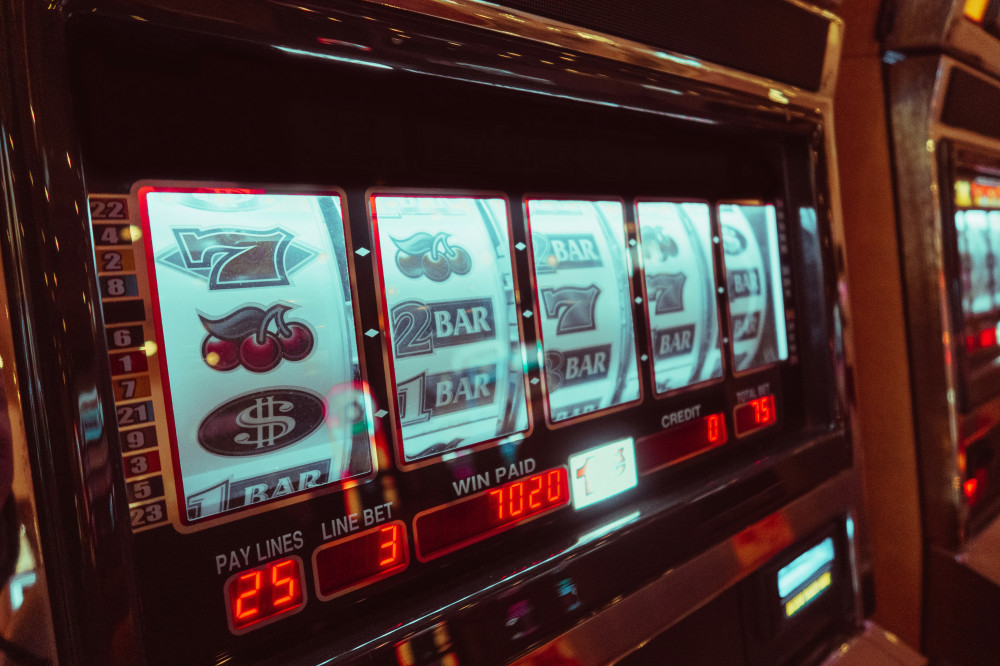
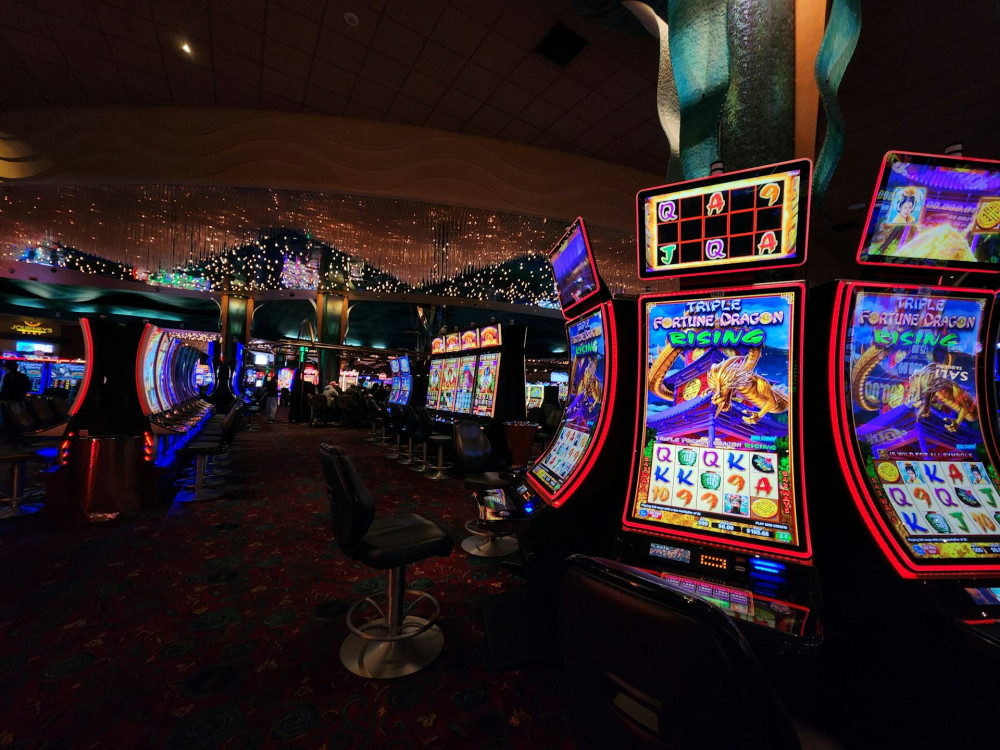
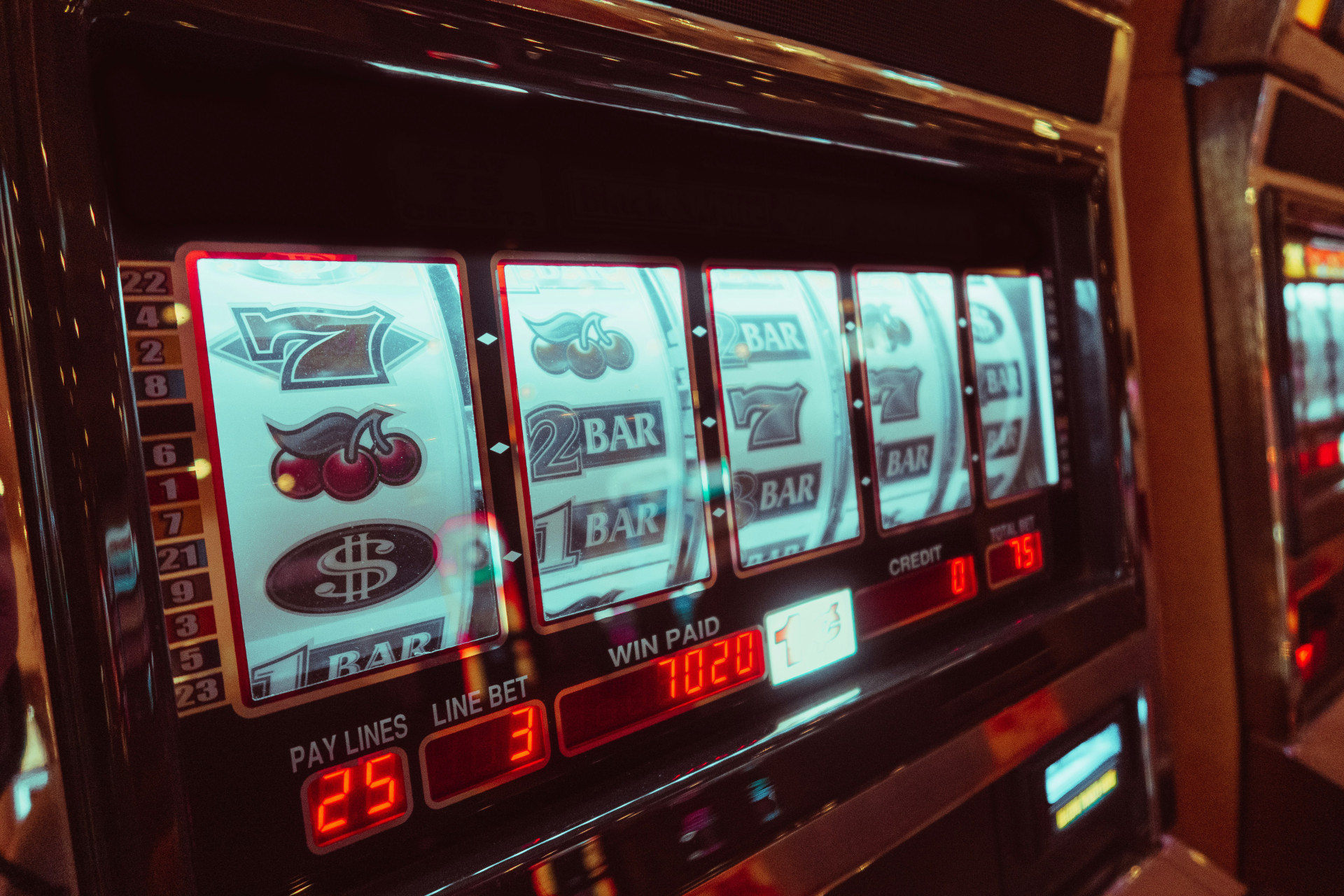
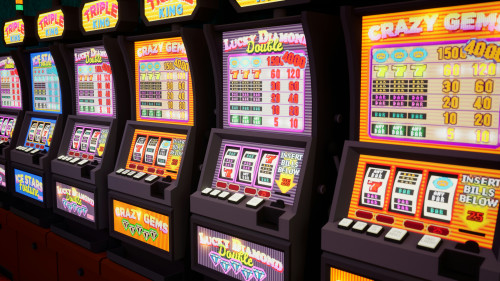
The classic “one-armed bandit” slot machine, once a staple of every casino floor, has been almost entirely replaced by digital versions. Modern slots are powered by sophisticated software and offer endless variations, from ancient mythology to pop culture themes.
Today’s slots are more than just games of chance. They combine storytelling, visual effects, and interactive features to create engaging experiences. Bonus rounds, animated sequences, and mini-games keep players entertained while maintaining the thrill of unpredictability.
Behind the scenes, Random Number Generators (RNGs) ensure that every spin is completely random and fair. This technology preserves the integrity of the game while keeping the excitement alive.
Mobile Gaming and 24/7 Accessibility
The rise of smartphones has revolutionised the casino industry. A significant share of gaming now takes place on mobile devices, with developers designing games specifically for smaller screens. Touch controls, fast loading times, and intuitive interfaces make it easy to play anywhere – whether on the train, during a lunch break, or from the sofa at home.
This accessibility has made gaming more personal and flexible. Where once a casino visit required travel and planning, now the experience is available at any moment. It has expanded the market and changed how people engage with games of chance.
Live Casinos – Bringing the Human Element Back
While digital gaming offers convenience, many players missed the social aspect of traditional casinos. Live casinos have bridged that gap. Through high-definition video streaming, players can join real-time games of roulette, blackjack, or baccarat hosted by professional dealers. Chat functions allow interaction with both the dealer and other players, recreating the social buzz of a physical casino.
The technology behind live casinos is impressive: multiple camera angles, low-latency streaming, and responsive interfaces ensure a smooth and authentic experience. It’s a perfect example of how technology can reintroduce human connection into the digital realm.
Læs også:

Artificial Intelligence and Personalised Experiences
The latest wave of innovation in the casino world revolves around data and personalisation. Artificial intelligence (AI) analyses player behaviour to tailor recommendations, bonuses, and promotions. It helps create a more engaging and customised experience for each user.
AI also plays a growing role in promoting responsible gaming. Systems can detect patterns that suggest risky behaviour and offer tools or reminders to help players stay in control. In this way, technology supports not only entertainment but also player wellbeing.
The Future: Virtual Reality and Blockchain
Looking ahead, the future of casinos points towards even more immersive experiences. Virtual reality (VR) and augmented reality (AR) are opening the door to fully interactive digital casinos, where players can walk through virtual rooms, sit at tables, and interact with others in real time. It’s a blend of gaming, social interaction, and cutting-edge technology.
At the same time, blockchain technology and cryptocurrencies are gaining traction. They promise faster, more transparent transactions and greater trust between players and operators. Some platforms are already experimenting with blockchain-based games, where outcomes and payouts are recorded on public ledgers for full transparency.
A Constantly Evolving Industry
The technological evolution of the casino mirrors the broader digital revolution. From mechanical machines to complex algorithms, from physical tables to virtual worlds – the essence of gaming remains the same: excitement, entertainment, and the hope of a win.
What has changed is how and where we play. Technology has made the casino experience more accessible, more personalised, and more dynamic than ever before. And with innovations like VR, AI, and blockchain on the horizon, the next chapter in the casino’s story is only just beginning.
Læs også: