Multilingualism in Casinos: Enhancing Game Accessibility for Everyone

Multilingualism in Casinos: Enhancing Game Accessibility for Everyone
When stepping into a modern casino – whether on the high street or online – players are greeted by a variety of languages. From English menus and multilingual customer support to versions of games in Spanish, French, or Mandarin, multilingualism has become a defining feature of the gaming experience. But why does it matter, and how does it improve accessibility for players across the globe?
A Global Industry Demands Linguistic Flexibility
The casino industry is now truly international. Players log in from every corner of the world, and competition among operators is fierce. To attract and retain users, casinos must offer an experience that feels both accessible and trustworthy – and language is central to that goal.
When a casino platform is available in multiple languages, it lowers the barrier for new players. It’s not just about understanding the rules; it’s about feeling comfortable and confident while playing. A well-translated site signals professionalism and respect for the player’s background, which can make all the difference in a crowded market.
Language as Part of the User Experience
Multilingualism is about more than just translation. It’s about creating a complete, culturally aware experience. A casino that understands cultural nuances can adapt tone, imagery, and communication style to suit different audiences.
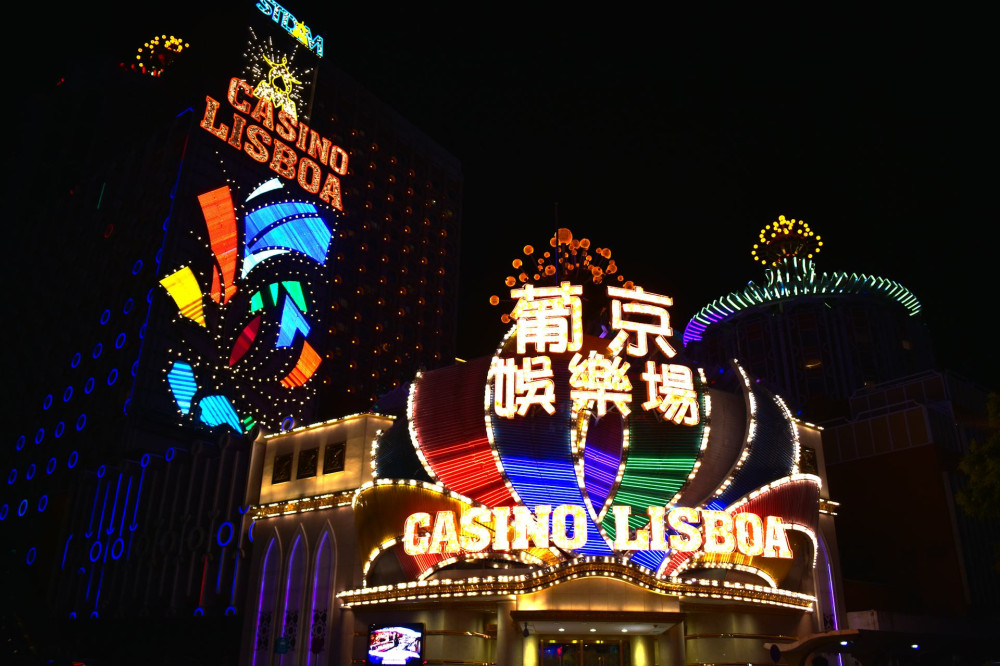
For example, a UK-based casino might emphasise transparency, fairness, and responsible gaming, while a platform targeting Asian markets could highlight tradition and luck. When language and culture align, the experience feels more authentic – and players are more likely to trust the brand.
Technology Makes Multilingualism Easier
In the past, translating casino content required significant resources. Today, technology has made the process far more efficient. Many platforms use automated translation tools combined with human editing to ensure accuracy and natural phrasing.
Artificial intelligence can also analyse user behaviour and automatically suggest the most suitable language. This means a player from Spain might see Spanish text immediately, while a user in the UK sees English – all without needing to adjust settings manually.
Multilingual Customer Support – A Key Advantage
Customer service is another area where multilingualism makes a major impact. When players can get help in their own language, satisfaction and trust increase. Many casinos now offer live chat and email support in several languages, and some even maintain 24/7 multilingual teams to cover their main markets.
For operators, this is an investment that pays off. A positive support experience can determine whether a player stays loyal or switches to a competitor.
Læs også:

Language and Responsible Gaming
Language also plays a crucial role in promoting responsible gaming. Information about deposit limits, self-exclusion, and support for gambling addiction must be clear and accessible to everyone. If these messages are only available in one language, some players may miss out on vital help.
By offering responsible gaming resources in multiple languages, casinos demonstrate that they care not only about entertainment but also about player wellbeing.
A More Inclusive Gaming Experience
Ultimately, multilingualism in casinos is about inclusion. When players from different countries and cultures can participate on equal terms, gaming becomes more accessible and fair. It fosters a diverse community where everyone feels welcome – regardless of their native language.
As technology continues to evolve, we can expect even more personalised solutions, where language, currency, and content automatically adapt to each user. This makes the casino experience not only more user-friendly but also more human.
Læs også: