Uncertainty and Randomness: How to Handle Them in Your Betting Analyses


Uncertainty and Randomness: How to Handle Them in Your Betting Analyses
When analysing sports and odds, it’s tempting to believe that enough data and insight can make outcomes predictable. But reality is far messier. Uncertainty and randomness play a much larger role than most bettors like to admit – and it’s precisely the ability to handle them that separates the average punter from the skilled analyst. In this article, we’ll explore how to understand, accept, and work constructively with uncertainty in your betting analyses.
Understanding the Difference Between Risk and Uncertainty
In the world of betting, the terms are often used interchangeably, but they’re not the same. Risk refers to situations where the possible outcomes and their probabilities are known. Uncertainty, on the other hand, arises when you don’t know all the possible outcomes or their likelihoods.
For example, you can estimate the probability of a Premier League team scoring over 2.5 goals based on past performance. But you can’t predict that the team’s striker will pull a hamstring in the warm-up, or that a sudden downpour will change the pitch conditions. That’s uncertainty – and it can’t be eliminated, only managed.
Accept Randomness as Part of the Game
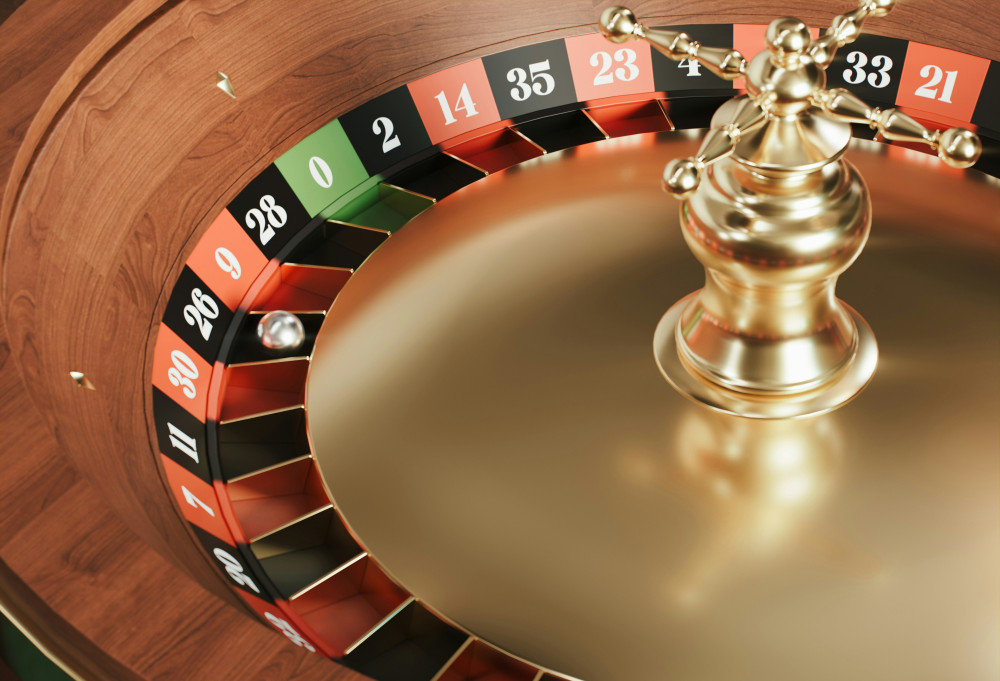
Even the best analysis can’t protect you from randomness. A deflected shot, a controversial VAR decision, or an unexpected red card can completely change the outcome of a match – and your bet. That doesn’t mean your analysis was wrong; it simply reflects the unpredictable nature of sport.
Accepting randomness doesn’t mean giving up on analysis. It means recognising that short-term results don’t always reflect the quality of your decisions. Over time, sound analysis will yield better results, but only if you stay calm and avoid overreacting to individual outcomes.
Think in Probabilities, Not Certainties
One of the most effective ways to handle uncertainty is to think in probabilities rather than absolutes. Instead of asking “Will Team A win?”, ask “How likely is it that Team A will win?”. This shift in mindset moves your focus from outcome to process.
By working with probabilities, you can also assess whether an odd offers “value” – that is, whether the bookmaker’s implied probability is lower than your own estimate. This approach requires data, but also an understanding that even a correct assessment won’t always lead to a win on a single bet. The goal is to consistently bet on the right side of randomness over time.
Learn from Variance – and Keep Emotions in Check
Variance is a statistical term describing how much results can fluctuate around an average. In betting, it means you can experience both long winning and losing streaks, even if your strategy has a positive expected value.
Many bettors fall into the trap of changing their approach after a few bad results. But variance isn’t a sign of failure – it’s a natural part of the process. The best way to handle it is to keep detailed records of your bets, so you can evaluate your strategy over the long term rather than reacting emotionally to short-term swings.
Use Models – But Know Their Limits
Mathematical models and statistical tools can help reduce uncertainty, but they can never remove it entirely. Models are built on assumptions, and when reality changes – a new manager, a tactical shift, or an unexpected injury – those assumptions can quickly become outdated.
That’s why models should be used as guides, not as gospel. Combine data with context: What do the latest team updates say? How motivated are the players? What external factors might influence the match? The best analyses emerge when numbers and intuition work together.
Læs også:




Build a Strategy That Can Withstand Uncertainty
Instead of trying to eliminate uncertainty, build a strategy that can survive it. This means:
- Bankroll management – stake only a fixed percentage of your capital so you can endure losing streaks.
- Diversification – spread your bets across different leagues, markets, and bet types.
- Long-term focus – judge success over hundreds of bets, not the last five.
A robust strategy isn’t about winning every time; it’s about ensuring you’re still in the game when randomness turns against you.
Turning Uncertainty into an Advantage
It may sound paradoxical, but uncertainty isn’t just an enemy – it’s also an opportunity. If everything were predictable, bookmakers would have perfect odds, and there’d be no value to find. It’s precisely in those grey areas, where outcomes are unclear, that skilled analysts can gain an edge.
Handling uncertainty, then, isn’t about eliminating it. It’s about understanding it, respecting it – and using it to your advantage.
Læs også: