When gaming takes over – learn to spot the signs in time


Understand when gaming stops being fun and starts taking control
Security
Security
3 min
Gaming can be a great source of joy and connection, but sometimes it begins to take over more than intended. Learn how to recognise the early warning signs of unhealthy gaming habits and find ways to restore balance before it affects your wellbeing or relationships.
Scarlett Adams
Scarlett
Adams

When gaming takes over – learn to spot the signs in time

Understand when gaming stops being fun and starts taking control
Security
Security
3 min
Gaming can be a great source of joy and connection, but sometimes it begins to take over more than intended. Learn how to recognise the early warning signs of unhealthy gaming habits and find ways to restore balance before it affects your wellbeing or relationships.
Scarlett Adams
Scarlett
Adams

For most people, gaming is a fun and harmless pastime – a way to relax, challenge yourself and connect with others. But for some, what starts as entertainment can slowly take up more space than it should. When gaming begins to affect your finances, relationships or wellbeing, it may be time to take a closer look. Recognising the signs early can make all the difference in regaining control before things go too far.

When gaming shifts from hobby to habit

It’s not always easy to see when gaming crosses the line. The change often happens gradually – a few more hours, a few more late nights, a few more thoughts about the next session. Common signs that gaming might be taking over include:

  • You play for longer than you intended or find it hard to stop.
  • You neglect work, studies or social plans because of gaming.
  • You feel restless, irritable or anxious when you can’t play.
  • You hide how much time you spend gaming from others.
  • You use gaming to escape stress, loneliness or other problems.

If several of these sound familiar, it could be a sign that gaming has started to take control rather than being something you control.

Why gaming can become so compelling

Games are designed to keep you engaged. The sense of achievement, the bright visuals, the sound effects and the constant rewards all trigger the brain’s reward system. Each win releases dopamine – a chemical that makes you feel good and motivates you to play again. This can be especially powerful if you’re feeling bored, stressed or isolated.

For some, gaming becomes a way to avoid difficult emotions or real-life challenges. But over time, this can make things worse, as responsibilities pile up and relationships suffer. What once felt like a safe escape can turn into a source of pressure and guilt.

Taking the first steps towards change

Admitting that gaming has started to take over is a brave and important first step. Change doesn’t happen overnight, but small, practical actions can help you regain balance:

  • Track your time and spending. Seeing the numbers in black and white can be eye-opening.
  • Set limits. Many consoles and online platforms allow you to set time or spending caps.
  • Talk to someone. Sharing your concerns with a friend, family member or professional can make it easier to take action.
  • Find alternatives. Try activities that give you a sense of enjoyment or relaxation – exercise, cooking, music, volunteering or spending time outdoors.
  • Seek support. In the UK, organisations such as GamCare and the National Gambling Helpline (0808 8020 133) offer free, confidential advice and counselling for anyone affected by gaming or gambling problems.

The earlier you act, the easier it is to make positive changes and prevent gaming from taking over your life.

When you’re worried about someone else

Watching someone you care about struggle with gaming can be painful. You might feel frustrated, helpless or unsure how to help. The best approach is to start a calm, honest conversation – not with blame, but with concern and empathy. Ask how they’re feeling and encourage them to seek help.

At the same time, remember to look after yourself. Set boundaries around money, time and emotional involvement, and consider reaching out for support yourself. You can’t take responsibility for another person’s choices, but you can be a steady source of encouragement.

Finding balance again

Gaming doesn’t have to be a problem – it’s all about balance. When kept within healthy limits, it can be a fun, social and creative activity. But if it starts to dominate your thoughts, time or finances, it’s a sign that something needs to change.

Recognising the warning signs early and taking them seriously is the best way to protect your wellbeing and the people you care about. Help is available, and it’s never too late to take back control.

Set Your Own Limits: How Time and Deposit Limits Support Responsible Gambling
Take control of your play with simple tools that help you stay safe and enjoy gambling responsibly
Security
Security
Responsible Gambling
Gambling Limits
Player Protection
Safe Play
Financial Control
3 min
Learn how setting time and deposit limits can help you manage your gambling habits, protect your finances, and keep the fun in the game. Discover practical ways to stay in control and make responsible play part of your routine.
Aria Bishop
Aria
Bishop
When gaming takes over – learn to spot the signs in time
Understand when gaming stops being fun and starts taking control
Security
Security
Gaming
Mental Health
Digital Balance
Wellbeing
Lifestyle
3 min
Gaming can be a great source of joy and connection, but sometimes it begins to take over more than intended. Learn how to recognise the early warning signs of unhealthy gaming habits and find ways to restore balance before it affects your wellbeing or relationships.
Scarlett Adams
Scarlett
Adams
Keep Track of Your Gaming Budget with Responsible Play Limits
Stay in control and make your gaming experience both fun and financially responsible
Security
Security
Responsible Gambling
Gaming Budget
Play Limits
Financial Control
Safe Gaming
7 min
Learn how to set clear play limits and manage your gaming budget to keep gambling an enjoyable pastime. Discover practical tips and tools that help you play responsibly and maintain a healthy balance between entertainment and spending.
Luke Jones
Luke
Jones
Find the Balance: Use Social Activities to Counterbalance Casino Gaming
Discover how social connections can help you maintain a healthy balance between gaming and everyday life
Security
Security
Casino Gaming
Responsible Gambling
Social Activities
Lifestyle Balance
Mental Wellbeing
3 min
Casino gaming can be fun and engaging, but it’s important to keep it in balance. Learn how participating in social activities can help you stay grounded, strengthen relationships, and create a more fulfilling lifestyle beyond the gaming table.
Poppy Lawson
Poppy
Lawson
Create a Cosy Games Night: Board Games that Emphasise Togetherness and Responsible Fun over Competition
Turn your next games night into a warm, laughter-filled gathering focused on connection rather than competition
Casino
Casino
Board Games
Family Time
Social Activities
Home Entertainment
Togetherness
3 min
Discover how to host a cosy games night that celebrates togetherness, relaxation, and responsible fun. From choosing inclusive board games to setting a welcoming atmosphere, learn how to create an evening where everyone feels part of the joy.
Jamie Simpson
Jamie
Simpson
Entertainment and Strategy: How to Find the Right Balance with Wagering Requirements
Enjoy the thrill of online gaming while mastering the art of smart play
Casino
Casino
Online Casino
Wagering Requirements
Responsible Gaming
Casino Strategy
Entertainment
6 min
Discover how to combine entertainment and strategy when playing at online casinos. Learn what wagering requirements mean, how to manage bonuses wisely, and how to keep your gaming experience both fun and responsible.
Aria Bishop
Aria
Bishop
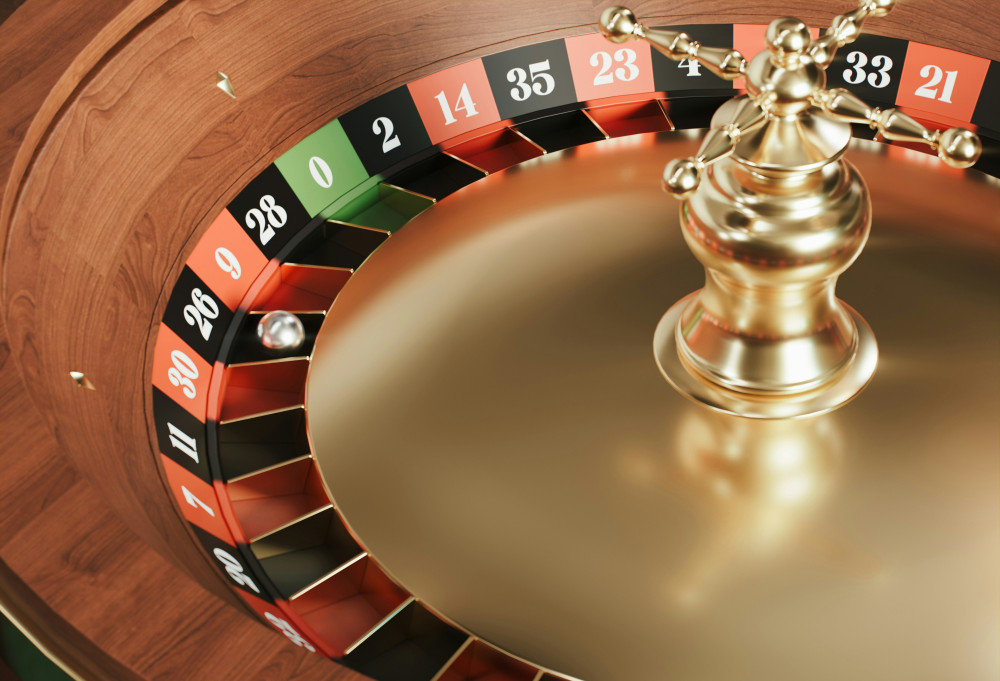
Roulette with All the Senses: Colours, Sounds and Movement in the Psychology of the Game and the Player’s Decisions
Discover how colours, sounds, and movement shape the thrill and psychology of roulette
Casino
Casino
Roulette
Psychology
Casino Games
Player Behavior
Sensory Experience
3 min
Roulette is more than a game of chance—it’s a sensory experience that engages sight, sound, and motion to influence how players think and feel. Explore the hidden psychology behind the spinning wheel and learn how design and perception guide every decision at the table.
Scarlett Adams
Scarlett
Adams