Behind the Scenes: How Algorithms Ensure Fairness in Casino Games


Behind the Scenes: How Algorithms Ensure Fairness in Casino Games
When you press “spin” on an online slot or place a bet on a digital roulette wheel, there’s far more happening behind the screen than flashing lights and sound effects. Beneath the surface, complex algorithms are at work to ensure that every outcome is fair, random, and compliant with strict UK regulations. But how do these systems actually function – and how can players be sure that the balance between luck and the house edge is maintained?
Randomness at the Core
At the heart of every casino game lies randomness. To guarantee that no one can predict or influence the outcome, online casinos use Random Number Generators (RNGs) – algorithms that continuously produce unpredictable sequences of numbers. These numbers determine where the roulette ball lands, which cards are drawn, or which symbols appear on the reels.
An RNG acts as the “heartbeat” of the game. It runs constantly, even when no one is playing, generating thousands or even millions of numbers per second. When you click “play,” the system stops at a random point and uses the current number to decide the result. This ensures that each round is completely independent of the last – just like rolling a real dice.
Testing and Certification – How Fairness Is Verified
To make sure these algorithms can’t be manipulated, they are tested by independent laboratories. Organisations such as eCOGRA, iTech Labs, and GLI are well known in the UK gambling industry for auditing and certifying gaming software. They verify that the RNGs meet the required standards for true randomness and fairness.
These tests include:
- Statistical analysis to confirm that outcomes are evenly distributed over time.
- Source code reviews to ensure the algorithm cannot be tampered with.
- Long-term simulations running millions of game rounds to detect any patterns or bias.
Only games that pass these rigorous checks are approved for use on licensed UK platforms. This certification gives players confidence that every spin or deal is genuinely random and not influenced by the operator.
The House Edge – A Mathematical Constant
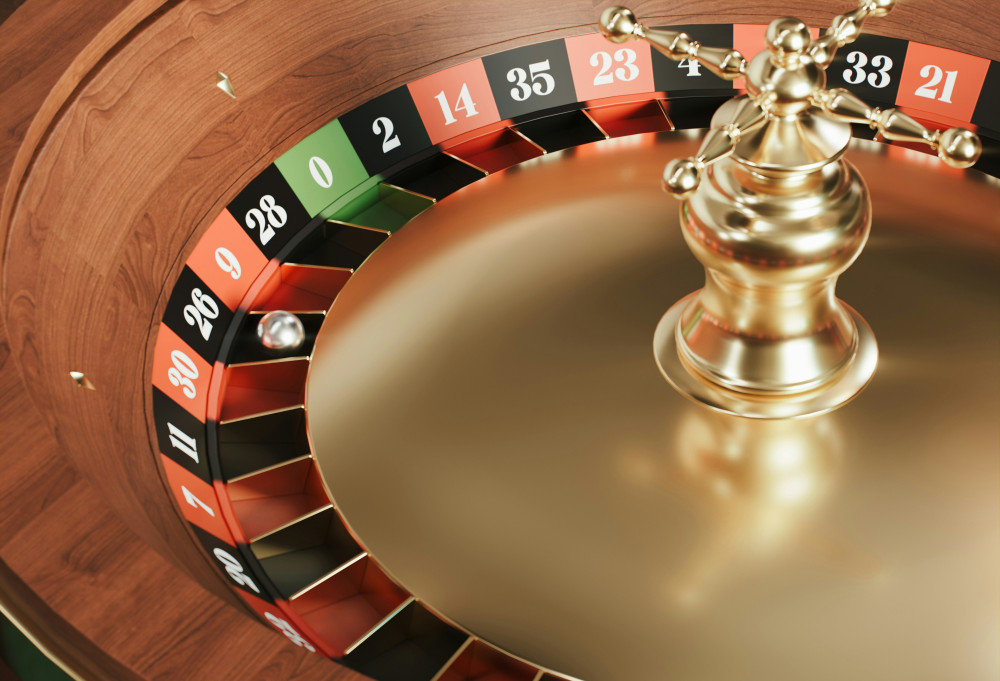
Even though outcomes are random, casino games are designed with a built-in house edge – a small statistical advantage that ensures the casino makes a profit over time. The size of this edge varies by game: in European roulette it’s about 2.7%, while in many slot games it can range from 3% to 6%.
Algorithms maintain this balance over the long term without affecting individual results. The system doesn’t “know” when you’ll win or lose; it simply follows the laws of probability. In the short run, anyone can get lucky, but over thousands of rounds, the mathematics ensures the house edge holds steady.
Fairness and Responsibility in the UK Market
As online gambling has grown, so too have the expectations for transparency and player protection. Under the UK Gambling Commission’s regulations, licensed operators must demonstrate that their games are fair and that their Return to Player (RTP) percentages – the average proportion of stakes paid back to players – are accurate and clearly displayed.
Algorithms also play a role in responsible gambling. Data analysis tools can detect patterns that suggest risky behaviour, such as frequent deposits or extended play sessions. When such patterns appear, systems can trigger alerts, offer time-outs, or direct players to support resources. In this way, technology helps protect players as well as entertain them.
Læs også:




The Future of Fair Play
Innovation in gaming technology continues to evolve. Emerging tools like blockchain and cryptographic verification are paving the way for even greater transparency, allowing players to independently verify that outcomes are random. Meanwhile, developers are exploring AI-driven systems that can personalise the gaming experience without altering the odds of winning.
The future of casino gaming will therefore be built not only on chance, but also on trust – trust grounded in mathematics, transparency, and continuous testing.
The Invisible Balance
When you play online, it’s easy to forget that every spin, card, or roll is the result of intricate calculations. Yet it’s precisely these algorithms that make the experience fair and reliable. Behind the scenes, it isn’t luck or magic that keeps the balance – it’s mathematics, ensuring that every player has a genuine, unpredictable chance to win.
Læs også: