Bingo as a Social Gathering Point: Make New Friends and Strengthen the Community

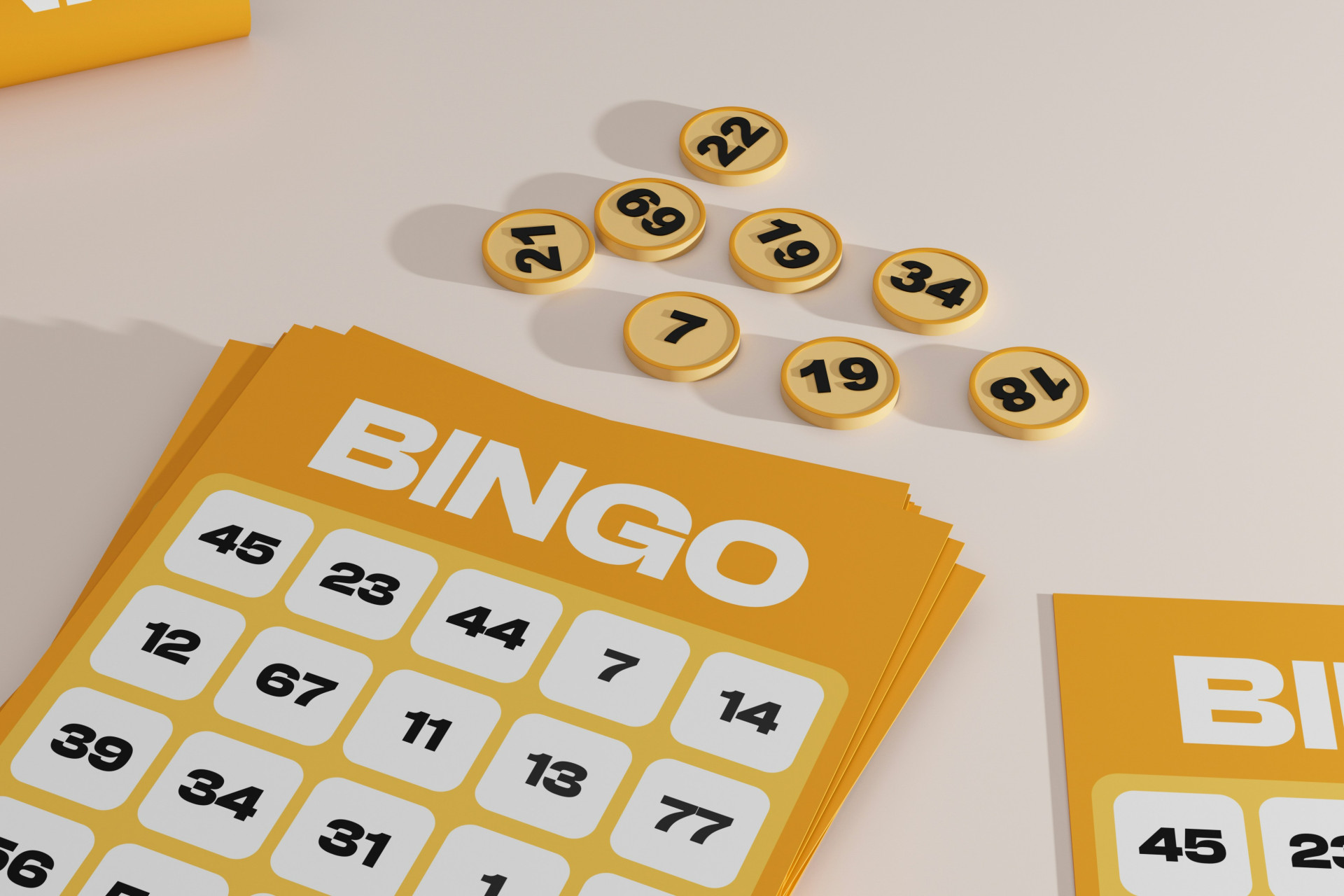
Bingo as a Social Gathering Point: Make New Friends and Strengthen the Community
Bingo is far more than a game of numbers and cards. It’s a social hub where people of all ages, backgrounds, and interests come together. In a time when much of our communication happens through screens, bingo offers a refreshing space for laughter, connection, and community spirit. Whether played in a local hall, a community centre, or online, bingo has a unique ability to bring people closer.
A Game with History and Heart
Bingo’s roots stretch back several centuries, but it became especially popular in the 20th century as an easy and enjoyable pastime. The rules are simple, and no special skills are required – anyone can join in. This accessibility makes bingo an ideal activity for people of all generations to share.
Across the UK, bingo nights have long been a cherished tradition. From seaside towns to village halls, neighbours and friends gather for an evening of fun, tea, and the thrill of calling out “bingo!” before anyone else. Yet behind the excitement lies something deeper: a sense of belonging and mutual support that strengthens local ties.
Community at the Core
The social side of bingo is what keeps it thriving. For many players, it’s not about winning prizes but about being part of a community. The game naturally sparks conversation, laughter, and shared moments of anticipation.
In care homes and community centres, bingo is often used to encourage social interaction and combat loneliness. It gives residents something to look forward to and helps build connections between people who might not otherwise meet. Because it’s easy to adapt, bingo can be enjoyed by everyone – including those with limited mobility or sight.
New Ways to Play – Including Online
While traditional bingo halls remain popular, the game has also embraced the digital age. Online bingo and virtual bingo nights have become a fun way to stay connected, especially during times when meeting in person isn’t possible. Players can join from home yet still enjoy the social buzz through chat rooms and video calls.
Many workplaces, charities, and community groups now host online bingo events as a light-hearted way to bring people together. This shows that bingo can evolve with the times without losing its social essence.
How to Host Your Own Bingo Night
Organising a bingo night is simple and rewarding. The key is to create a warm and welcoming atmosphere. Here are a few tips:
- Choose a comfortable venue – a community hall, café, or even an online meeting space will do.
- Offer fun prizes – they don’t need to be expensive; homemade treats, flowers, or small gifts work perfectly.
- Encourage conversation – include breaks for chatting and refreshments; bingo is as much about the people as the game.
- Adapt the game to your group – adjust the pace or rules so everyone, from children to older adults, can join in.
Hosting bingo isn’t just about playing a game – it’s about creating a space where people feel welcome and connected.
Bingo as a Bridge Between Generations
Bingo can act as a bridge between generations and cultures. It’s a game that doesn’t rely on language or skill, only the willingness to take part. That’s why it’s often used in community projects aimed at promoting inclusion, neighbourliness, and wellbeing.
When people gather around a game, new friendships often form. It might be an older player teaching a newcomer the ropes, or neighbours discovering shared interests. Bingo provides a common ground where differences fade and connections grow.
Læs også:

More Than Entertainment – A Game That Unites
In our busy lives, it can be hard to find time for community. Bingo offers a simple, joyful way to slow down and reconnect. It reminds us that the greatest rewards often come not from winning, but from sharing laughter and companionship.
Whether you play for fun, for prizes, or simply for the company, bingo proves that the best experiences happen when people come together – with open hearts and a smile.
Læs også: