From Church Halls to Online Platforms: The Evolution of Bingo in a Global Perspective


From Church Halls to Online Platforms: The Evolution of Bingo in a Global Perspective
For generations, bingo has brought people together – from the echoing church halls of post-war Britain to the vibrant online platforms connecting millions of players worldwide. Once seen as a pastime for pensioners and charity fundraisers, bingo has reinvented itself for the digital age. But how did this simple numbers game evolve into a global phenomenon that bridges tradition and technology?
From Italian Lotteries to British Church Halls
The origins of bingo can be traced back to 16th-century Italy, where a lottery game known as Il Gioco del Lotto d’Italia captivated players across social classes. The game spread through Europe, taking on educational and social roles in France and Germany before crossing the Atlantic. In 1920s America, a toy salesman named Edwin S. Lowe encountered a version of the game at a fair in Georgia. When a player accidentally shouted “Bingo!” instead of “Beano!”, the name stuck – and a cultural icon was born.
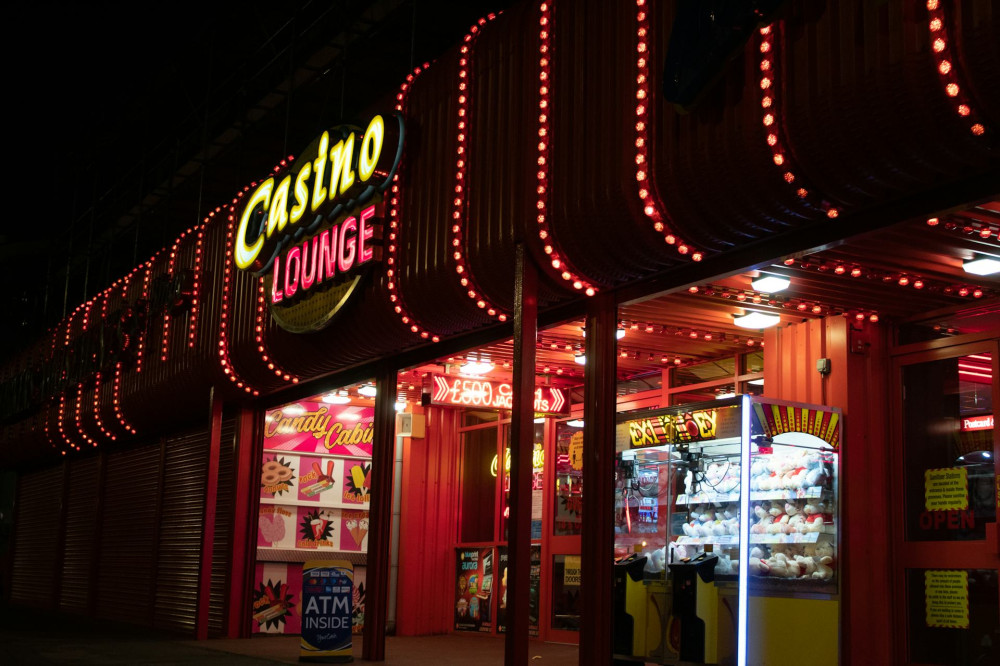
By the mid-20th century, bingo had made its way back across the Atlantic to Britain, where it found a new home in church halls, working men’s clubs, and seaside resorts. Following the Betting and Gaming Act of 1960, commercial bingo halls flourished, offering affordable entertainment and a sense of community in an era of social change.
A Social Staple of British Life
Throughout the 1960s and 1970s, bingo became a cornerstone of British social life. For many, a night at the local bingo hall was more than a game – it was a ritual. Players gathered with friends, shared cups of tea, and exchanged gossip between calls of “Two little ducks – twenty-two!” The game’s simplicity and inclusivity made it accessible to all, regardless of age or background.
Bingo also played a vital role in fundraising. Churches, schools, and community groups used it to support local causes, reinforcing its image as a wholesome, community-driven pastime. Even as television and new forms of entertainment emerged, bingo retained its loyal following.
Læs også:


From Paper Cards to Pixels – The Digital Revolution
The arrival of the internet in the 1990s transformed bingo once again. What began as a modest online version of the traditional game quickly evolved into a thriving industry. Online bingo sites introduced themed rooms, chat functions, and instant prizes, allowing players to connect with others across the globe at any time of day.
Mobile technology has taken this even further. Today, players can join a game from their sofa, their commute, or even during a lunch break. The social element remains central: chat rooms, emojis, and live hosts recreate the camaraderie of the old bingo hall in a digital space. The result is a game that feels both nostalgic and modern – a blend of comfort and connectivity.
Globalisation and Cultural Adaptations
While the rules of bingo remain largely the same, its cultural expressions vary widely. In Japan, it’s a popular feature at company parties and festive gatherings. In Latin America, families play it at community events and markets. In the UK, “bingo nights” have taken on new forms – from drag bingo and musical bingo to lively club events that mix comedy, dance, and nostalgia.
This global spread has given bingo a new identity: part game, part social experience. It continues to adapt to local traditions while maintaining its universal appeal – the thrill of anticipation and the joy of shouting “Bingo!” when luck strikes.
The Future of Bingo – Tradition Meets Technology
As technology continues to evolve, so too does bingo. Virtual reality and live-streamed games are beginning to recreate the atmosphere of a physical hall, allowing players to interact in real time from different corners of the world. Developers are experimenting with immersive designs and community-driven features to ensure that bingo’s social spirit endures in the digital age.
For many, bingo remains more than a game. It’s a shared experience – a moment of connection, laughter, and belonging. From the echo of numbers called in a smoky hall to the ping of a digital win on a smartphone, bingo’s enduring charm lies in its ability to bring people together. And that, perhaps, is why it has survived for over five centuries: because it continues to unite people across time, place, and technology.
Læs også: