Play for Peace of Mind – Not to Escape Everyday Life

Play for Peace of Mind – Not to Escape Everyday Life
For many people, playing games is a pleasant break from the daily routine – a moment to unwind, let the mind wander, and simply enjoy the present. But there’s an important difference between playing for peace of mind and playing to escape everyday life. When gaming becomes a way to find balance and calm, it can be a healthy and rewarding activity. When it turns into a way to avoid problems or emotions, it can create imbalance instead.
Gaming as Part of a Healthy Routine
Playing can be a simple way to bring structure and relaxation into a busy day. Whether it’s a quick round of an online puzzle, a board game with friends, or a casual mobile game on the train, the key is to enjoy the process itself – not just the outcome. It’s about being present, not about winning.
When you play with a calm mindset, gaming can work much like reading a book or going for a walk: it gives your mind a short, refreshing pause from the noise of everyday life. It’s a chance to recharge, not to run away.
When Gaming Becomes an Escape
Problems arise when gaming turns into a way to avoid reality. If you find yourself playing to block out worries, stress, or difficult feelings, it can quickly become a habit that takes more than it gives.
A sign that gaming is becoming an escape is when you lose track of time, feel restless when you’re not playing, or use games to numb uncomfortable emotions. In those moments, it’s worth pausing to ask yourself what you’re really looking for in the game – calm, excitement, connection, or something else entirely.
Finding Balance
Playing mindfully is about finding balance. Ask yourself: does gaming give me energy, or does it drain me? Does it feel like a genuine break, or like something I have to do?
You can create healthy boundaries around your gaming by:
- Setting time limits – decide in advance how long you’ll play, so you stay in control.
- Choosing games that bring joy – pick games that make you feel relaxed and entertained, not pressured.
- Playing with others – shared experiences make gaming more social and less isolating.
- Noticing your emotions – gaming should bring calm, not anxiety.
Gaming as a Way to Be Present
When you play with awareness, gaming can become a way to practise mindfulness. It requires focus, patience, and acceptance – qualities that are valuable in everyday life too.
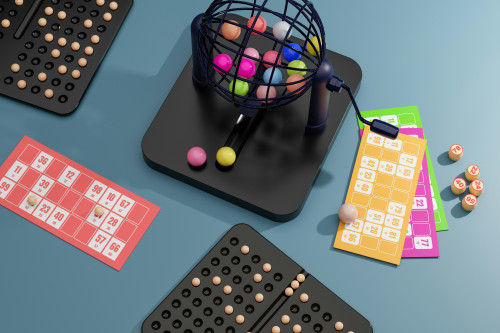
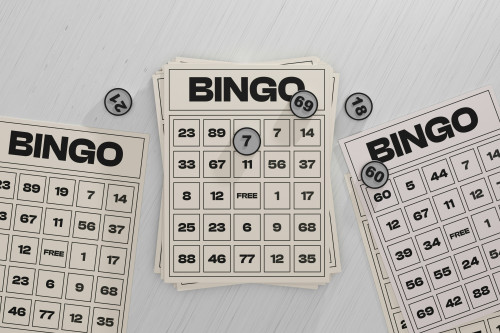
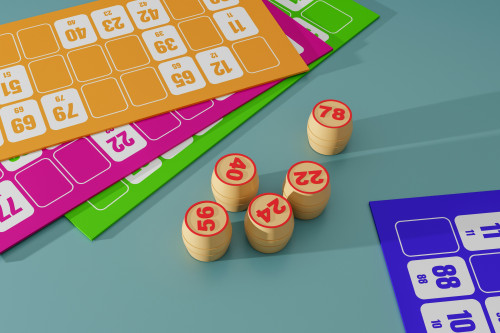
A quiet game of chess, a round of bingo at the local community centre, or a cooperative video game with friends can all be moments of connection and presence. It’s not about escaping the world, but about engaging with it in a calmer, more focused way.
Læs også:
Making Gaming a Positive Part of Your Life
Gaming can be a source of joy, relaxation, and social connection – if approached with care. It’s not about avoiding games, but about using them in a way that supports your wellbeing.
When you play for peace of mind, gaming becomes a natural and positive part of a balanced life. When you play to escape, it can start to take over. The difference lies in awareness – and in taking the time to notice why you play.
Læs også: